

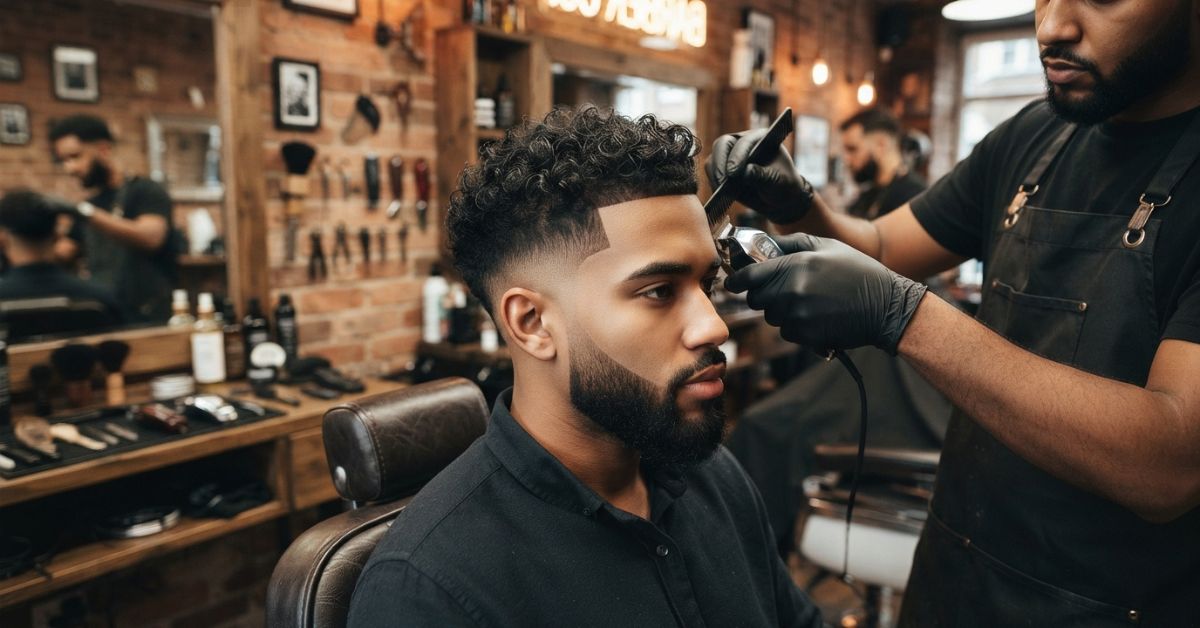
A mid taper fade is a clean, balanced haircut where the sides and back gradually get shorter, starting around the temple. It looks sharp without being extreme. That is why barbers hear this request every day.
If you have ever stared at a barber’s chart of fades and felt lost, this guide is for you. You will learn what the cut is, which version fits your hair, how to ask for it, what it costs, how to do it at home, and how to keep it fresh.
What Is a Mid Taper Fade?
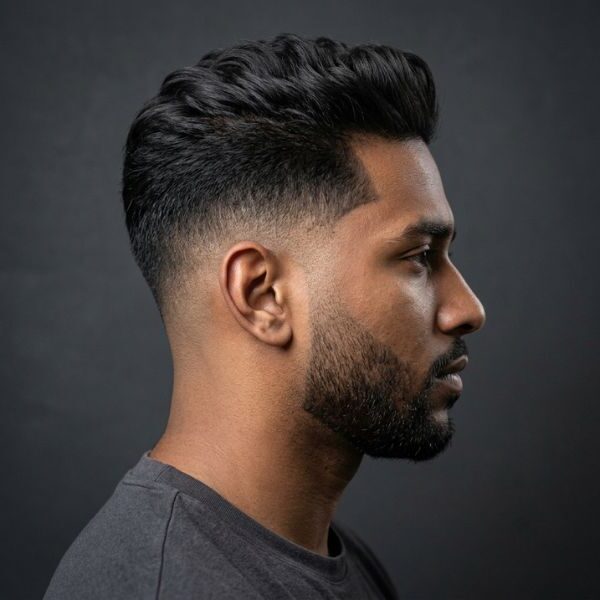
A mid taper fade is a haircut where hair gets gradually shorter from the temple level down to the sideburns and neckline, while the top stays longer. The “mid” refers to where the fade begins: halfway up the sides of your head.
The words “taper” and “fade” are often used as if they mean the same thing. They do not.
- Taper: A subtle shortening of hair around the ears, sideburns, and nape. Some length stays at the lowest point.
- Fade: A more dramatic blend that often reaches very short clipper lengths or bare skin.
- Mid taper fade: A hybrid. The fade is placed at mid height, and the finish can be soft (a shadow) or sharp (down to skin).
Here are the key features that define the cut:
- The blend starts near the temple, not high on the crown and not low behind the ear.
- The change in length is smooth, with no harsh lines.
- The top keeps its length, so you can style it many ways.
- The edges around the ears and neckline look neat.
Because the shortest length is a choice, you control how bold it looks. A shadow finish feels office-friendly. A skin finish looks sharper and more modern.
Mid Taper Fade Types
The mid taper works as a base for many styles. Here are the most popular versions.
Classic Mid Taper Fade
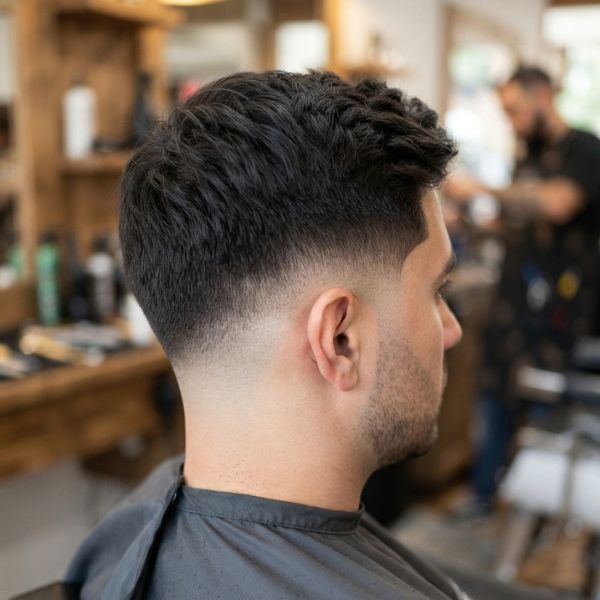
This is the original. The sides and back taper from the temple down, and the top is trimmed to a medium length. You can comb it to the side, brush it back, or leave it textured.
It suits almost any workplace, which makes it a safe first choice if you are new to fades.
Mid Taper Fade with Beard
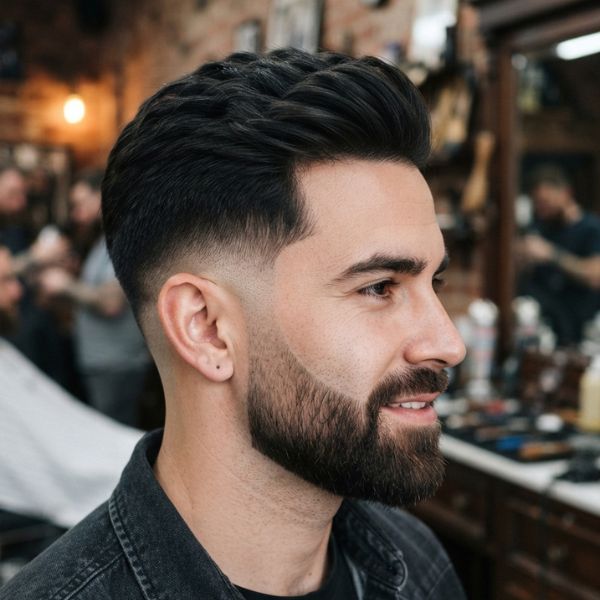
Here the haircut blends into your beard. The beard fades up toward the sideburn so there is no sudden jump between hair and facial hair.
- Works best when the haircut and the beard trim are done in the same visit.
- Helps define a strong jawline.
- Looks especially good on square and round faces.
Mid Taper Fade Curly Hair
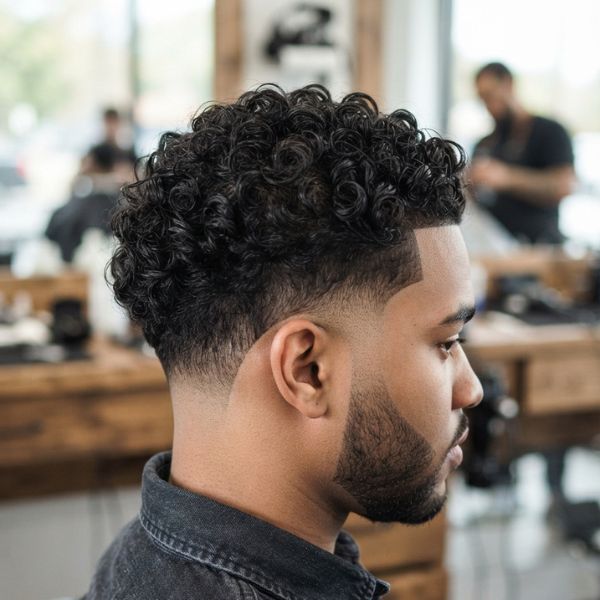
Curls need shape without losing their bounce. A mid taper keeps the sides tight while the curls on top stay full and defined.
- Keep the top long enough for curls to form, usually 3 to 4 inches.
- Apply a curl cream while hair is damp.
- Tell your barber to avoid thinning the top too much, which can cause frizz.
Mid Taper Fade with Waves
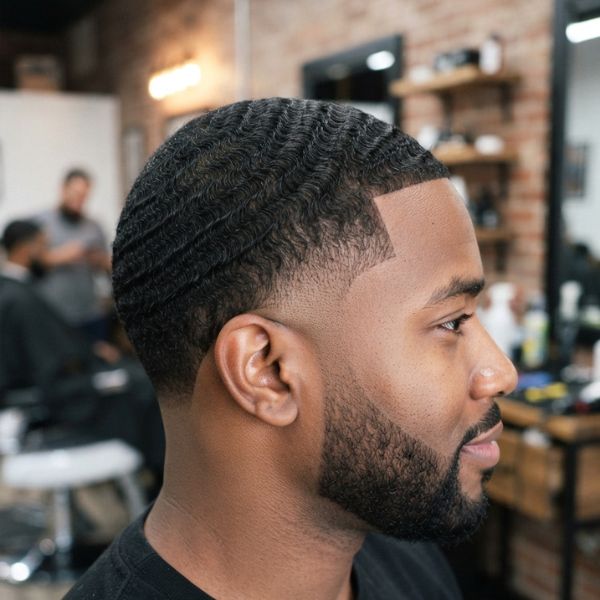
If you want waves, the taper works as a clean frame. The sides stay short, so the pattern on top looks sharper.
- Brush daily in one direction to train the pattern.
- Use a durag or wave cap at night.
- Choose a shadow or low skin finish for a smoother wave flow.
Mid Taper Fade Low Cut
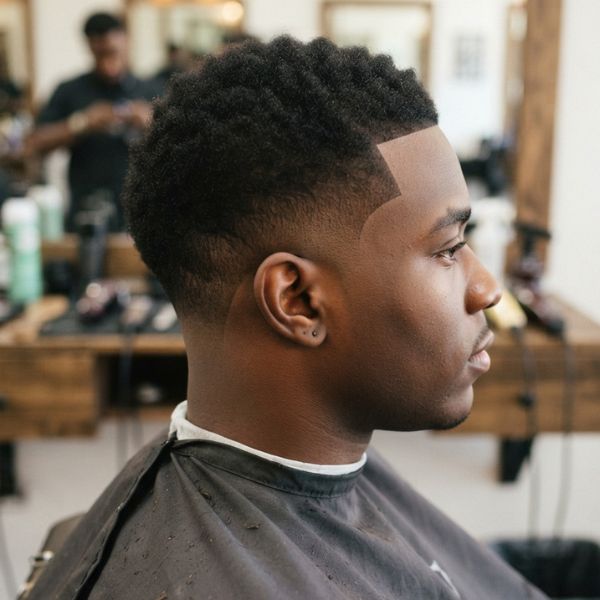
This is a short crop on top paired with a mid taper on the sides. It is practical, low effort, and works in hot weather or for active people.
Barbers sometimes call it a “low cut” because the top is only slightly longer than the sides. You can wash it, towel it, and go.
Mid Taper Fade Afro
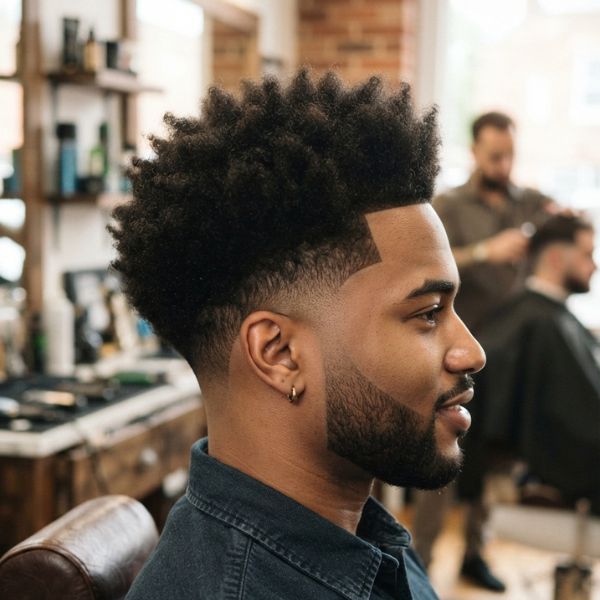
An afro on top with a mid taper underneath gives clear shape and contrast. The tapered sides make the volume on top look intentional and sculpted.
- Ask for a rounded top shape so the outline looks even.
- Keep the hairline crisp with a light line-up.
- Moisturize often to prevent dryness.
Read more: Low Taper Fade Fringe: 18 Stylish Haircuts for Men (2026)
Mid Taper Fade Haircut Black Men
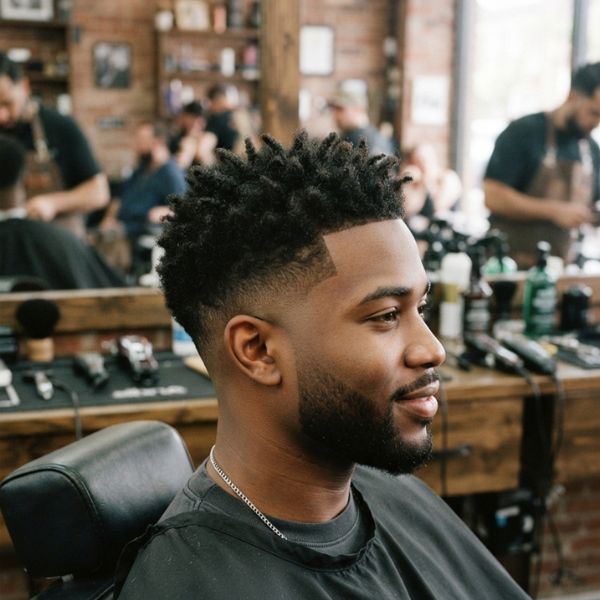
For Black men, this cut is popular because it works across coily, curly, and wavy textures. A skilled barber can pair it with a sharp line-up, a temple fade, or a part for extra detail.
A few points matter for textured hair:
- Hair is cut dry or stretched, so the barber sees the real length.
- Clippers should be used with the grain and then lightly against it for blending.
- Skin care matters. Moisturize the scalp and use a gentle aftershave to prevent razor bumps.
Mid Taper Fade vs Low Taper Fade
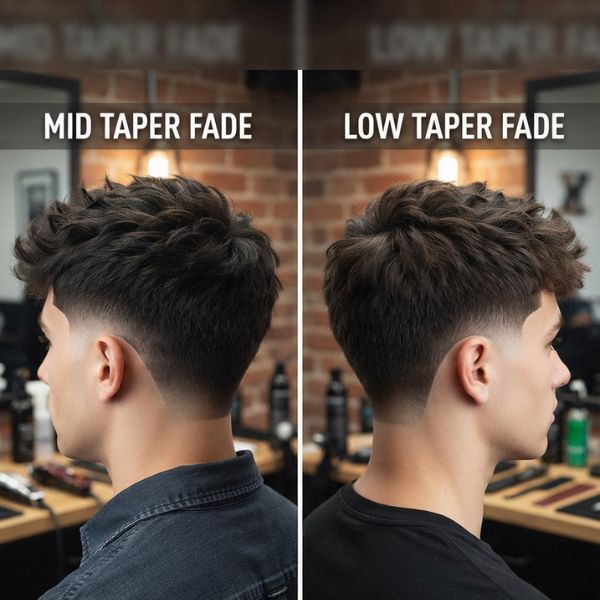
Both cuts look clean. The difference is where the fade begins.
Key Differences
| Feature | Mid Taper Fade | Low Taper Fade |
| Starting point | Around the temple | Just above the ear, near the neckline |
| Contrast | Medium | Low |
| Look | Balanced and defined | Soft and subtle |
| Upkeep | Every 2 to 3 weeks | Every 3 to 4 weeks |
| Best for | Everyday sharp style | Formal or conservative settings |
Which Suits Which Face Shape
- Oval: Almost anything works. A classic mid taper is a safe pick.
- Round: Choose a mid taper with height on top, such as a quiff, to add length to the face.
- Square: A mid taper with a beard highlights the jawline well.
- Heart-shaped: Keep the top slightly fuller and the sides tidy to balance the forehead.
- Long or oblong: Avoid too much height. A shorter top with a soft taper keeps proportions even.
Mid Taper Fade Lifestyle

This cut fits real life. It works with a suit, a gym bag, or a weekend out.
- Office and professional settings: A shadow finish looks polished and neat.
- Active routines: Short sides stay cool and do not trap sweat.
- Students and creatives: A textured top gives you room to be expressive.
- Busy schedules: The styling takes about two minutes once the cut is right.
It also adapts to your hair over time. If you grow the top out, the taper still keeps your profile tidy. That is why many men stick with it for years.
How to Get a Mid Taper Fade at a Barber Shop
A good result starts with a clear conversation.
What Should You Ask
Barbers use different words for the same thing, so be specific. Here is a simple script:
“I would like a mid taper fade, starting around my temple, blending into the neckline. Keep the top [length] and finish the sides with a [shadow or skin] fade.”
Add these details to avoid mix-ups:
- Starting height: “Around the temple.”
- Finish: Shadow (soft) or skin (sharp).
- Top length: Use your fingers to show how much to leave.
- Neckline: Rounded, squared, or tapered.
- Line-up or beard blend: Say yes or no.
A reference photo helps a lot. It removes guesswork, especially because a mid taper can be mistaken for a low or high one.
Time and Cost for a Mid Taper
- Time: Usually 25 to 45 minutes, depending on detail and hair type.
- Cost: Often $20 to $50 in the US, lower or higher by city and shop. Beard work or a line-up may add to the price.
Prices vary, so confirm with your barber before the cut.
How to Do a Mid Taper at Home
You can do a simple mid taper yourself, but it takes patience. If you are nervous, practice on the back and sides first, or get your first cut professionally and copy it.
Read more: 12 Middle Part Mullet Variations for 2026: Modern Center Part Mullet Styles
Required Tools
- Clippers with guards (numbers 1 to 4)
- Detail trimmer or T-blade
- Handheld mirror and a large wall mirror
- Fine-tooth comb
- Spray bottle with water
- Cape or old towel
Step-by-Step Instructions for Beginners
- Start with clean, dry hair. Comb it in the direction it grows.
- Mark the fade line. Find the temple level on the side of your head and imagine a straight line wrapping around to the back.
- Cut the top section first. Use a longer guard, such as a number 4, on the sides above the line to set the base length.
- Move down with shorter guards. Use a number 3 slightly below the line, then a number 2, and finally a number 1 near the ears and neckline.
- Use a flicking motion. Move the clippers upward and outward at the end of each stroke so the lengths blend.
- Check both sides. Compare the left and right with the mirror.
- Clean the edges. Use the trimmer on the neckline and around the ears.
- Brush off the hair and wash. Look for patchy spots under good lighting.
Tips for a Better Blend
- Work slowly. You can always cut more, but you cannot add hair back.
- Use the lever on the clippers to soften transitions.
- Go over each area twice with different guard sizes.
- Lightly dampen the hair to see blending lines more clearly.
- Take breaks and look at your head from different angles.
Maintenance and Styling
A mid taper looks best fresh, but it is easy to maintain.
Touch-Up Schedule
- Every 2 to 3 weeks: Fresh fade and clean neckline.
- Every 4 to 5 weeks: Acceptable for a softer, shadow-style taper.
- Every 1 to 2 weeks: Quick edge cleanup if you want a very sharp line-up.
As the cut grows out, the contrast softens. After about 4 weeks, the fade looks less defined.
Styling Products
Choose products based on your top length and hair type:
- Matte clay or paste: Texture and hold without shine.
- Pomade: Slick, polished looks like a side part.
- Sea salt spray: Loose, natural volume.
- Curl cream or leave-in conditioner: Moisture and definition for curls and coils.
- Light oil or moisturizer: For scalp care on very short sides.
Styling Routine
- Wash with a gentle shampoo and towel dry.
- Apply a leave-in product or sea salt spray if needed.
- Blow dry the top, lifting at the roots.
- Work a pea-sized amount of product through the hair.
- Style with fingers or a comb.
- Finish with light spray if you want extra hold.
The tapered sides need almost no styling. All your effort goes into the top.
Read more: Quiff Hairstyle for Men: 28 Stylish Variations for a Modern Look
Frequently Asked Questions
What is a mid taper fade?
It is a haircut where the sides and back gradually shorten from the temple level downward, while the top stays longer.
Is a mid taper fade the same as a mid fade?
No. A mid taper is usually subtler, with more length at the edges, while a mid fade often goes shorter and blends more of the sides.
How often should I get a mid taper fade?
Most people refresh it every 2 to 3 weeks to keep the contrast sharp.
Does a mid taper fade work for thin hair?
Yes. The tight sides make the top look fuller, especially with a textured style.
Can I get a mid taper fade with long hair?
Yes. Keep the sides tapered and let the top grow out or tie it back for a neat contrast.
Is a mid taper fade professional?
Yes. A shadow finish with a classic top is suitable for most offices.
Is a mid taper fade good for curly or Black hair?
Yes. It controls bulk on the sides and keeps curls, coils, or waves defined on top.
How much does a mid taper fade cost?
It typically costs $20 to $50 in the US, depending on location and add-ons.
Conclusion
The mid taper fade earns its popularity. It sits in the middle of the fade scale, so it feels sharp without being extreme, and it adapts to straight, curly, wavy, and coily hair.
Whether you choose a classic cut, a beard blend, or an afro, the key is clear communication with your barber and steady upkeep.
If you are trying it for the first time, bring a photo, ask for a temple start, and pick a shadow or skin finish that fits your style. Refresh it every few weeks and keep the top well cared for.
With a little attention, this cut will stay clean, confident, and easy to wear all year.
