


Walk into any barbershop on a Saturday and you will hear the same request again and again: “mid taper fade, please.” There is a good reason. This cut is clean, modern and easy to wear to the office, the gym or a wedding.
But what does it actually mean? Where does the fade start, which guard numbers do barbers use, and will it suit your hair type and face shape?
This guide answers all of that. You will learn the definition, seven popular types, how it compares with a low taper, what to say to your barber, what it costs, and how to cut and style it at home. It was last updated in October 2026.
What Is a Mid Taper Fade?
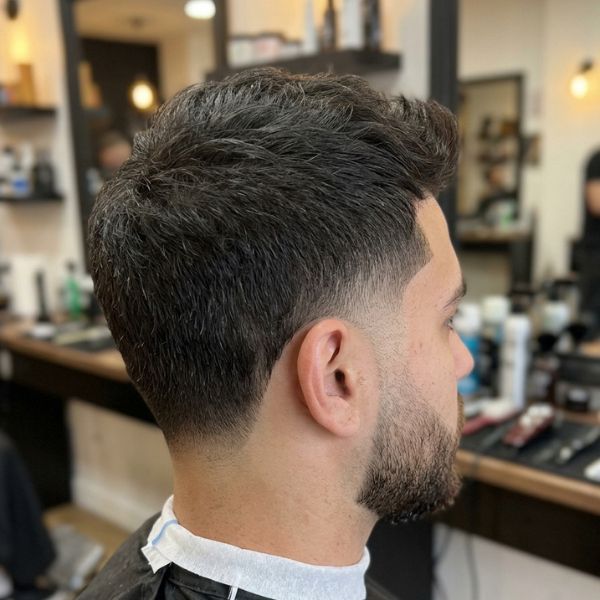
A mid taper fade is a haircut where the sides and back get gradually shorter, starting around the temple and blending down toward the sideburns and neckline.
The fade begins at the middle of the head, roughly an inch and a half to two inches above the ear. That is why it sits between a low taper and a high taper.
In simple terms:
- The top stays longer and can be styled many ways.
- The sides shorten in smooth steps, often from a #3 or #4 guard down to a #1 or #0.5.
- The neckline and sideburns are tapered so the cut looks neat as it grows out.
Taper vs fade, explained. A taper usually keeps some length at the edges and shortens only a little. A fade goes shorter, sometimes all the way to bare skin.
A mid taper fade borrows from both. You can keep it soft with a shadow finish, or take it down to skin for a sharper contrast.
Why it is so popular:
| Detail | Typical Range |
|---|---|
| Fade starting point | Around the temple, 1.5 to 2 inches above the ear |
| Common guard sizes | #3 or #4 at the top of the fade, tapering to #0.5 or #1 |
| Top length | Short crop to medium or long |
| Hair types | Straight, wavy, curly, coily |
| Touch-up window | Every 2 to 4 weeks |
Mid Taper Fade Types
The fade height stays the same across all of these. What changes is the top, the edges and how you finish the cut. Here are the seven most requested versions.
Classic Mid Taper Fade
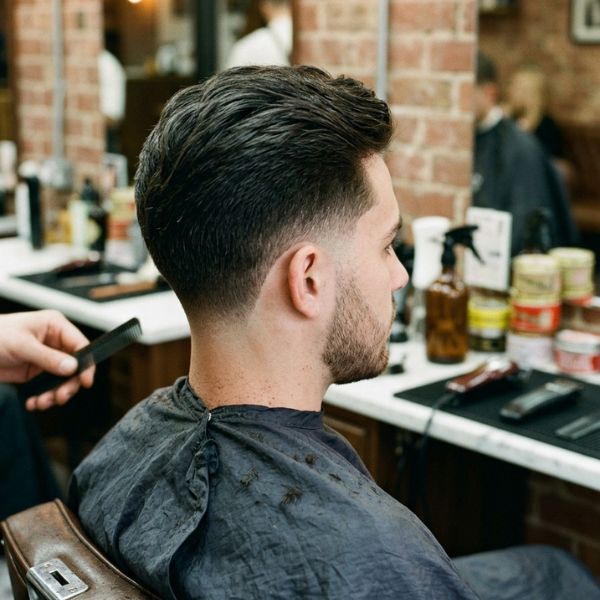
This is the version most barbers picture first. The sides blend from a #3 down to a #1 or #1.5, the neckline is tapered, and the top is left at about two to three inches. Style it with a matte clay for texture or a light cream for a natural finish. It is the safest choice if you are new to fades.
Mid Taper Fade with Beard

Beards and fades work well together when the blend is planned. Ask your barber to connect the sideburns to the beard so there is no sudden gap. Keep the beard neckline clean and in line with the taper.
- Beard blends into the sideburn and fade as one shape.
- A shorter beard suits a skin fade.
- A fuller beard looks best with a softer, shadow style fade.
Mid Taper Fade Curly Hair

Curls bring natural volume, and the taper removes bulk from the sides so the shape does not widen. Most barbers prefer to cut curls dry, because wet curls stretch and then spring back shorter. Leave a little extra length on top so the curl pattern can form.
- Use a curl cream on damp hair, then scrunch and air dry.
- Avoid brushing dry curls, which causes frizz.
Mid Taper Fade with Waves
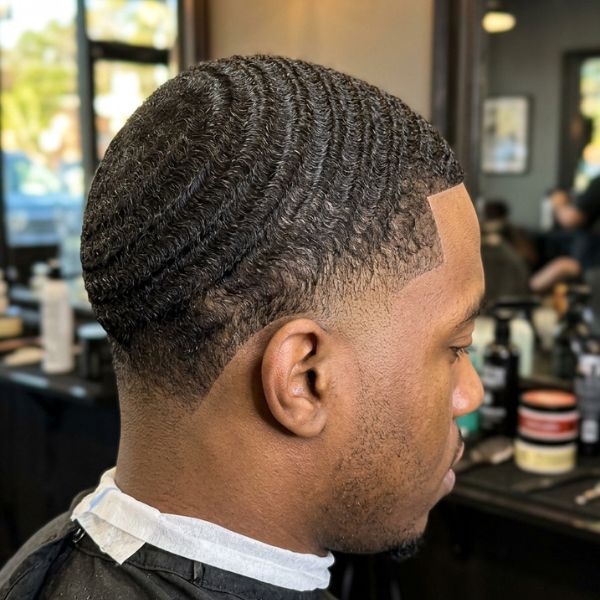
If you are growing or maintaining 360 waves, a mid taper trims the sides without taking the length you need on top to train the pattern. Brush daily with a medium or hard brush and wear a durag at night. Keep the taper low enough on the sides that it does not cut into your wave pattern.
Mid Taper Fade Low Cut

A low cut here means the top is kept very short, around a #2 to #4 or a buzz. The taper still starts at mid height, so you get a defined shape instead of one flat length.
It needs almost no styling and is popular with athletes and anyone short on time. A sharp lineup at the forehead makes it look finished.
Mid Taper Fade Afro

An afro with a mid taper keeps the rounded top and slims the sides, so the shape looks balanced rather than top heavy. Use a pick to lift the top, and keep hair moisturized to avoid dryness. A mini afro or sponge curls also work well with this fade.
Mid Taper Fade Haircut Black Men

For Black men, the mid taper is a flexible base for many styles, including waves, a buzz cut with a lineup, a rounded afro, twists, short braids and locs. The key is to choose your finish.
“Mid” describes height only, so tell your barber whether you want skin, shadow or a natural hairline.
- Taper first, then braid or twist, so the edges stay clean.
- Choose a taper that stops just short of twist bases so loose hairs are not caught.
- Moisturize the scalp, since closely cut hair can look dry.
Mid Taper Fade vs Low Taper Fade
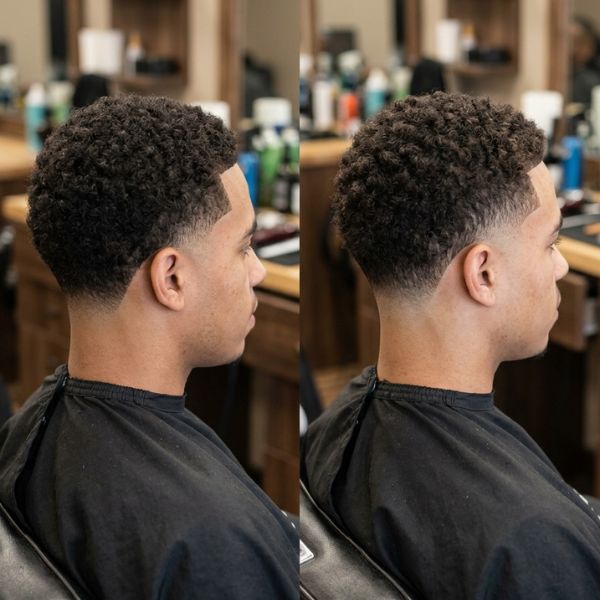
Key Differences
| Feature | Mid Taper Fade | Low Taper Fade |
|---|---|---|
| Starting point | Around the temple, mid side of head | Close to the ear and hairline |
| Visual impact | Moderate, noticeable shape | Subtle, understated |
| Contrast | Medium | Low |
| Upkeep | Touch up every 2 to 4 weeks | Can stretch a bit longer |
| Best for | Modern, balanced, versatile look | Conservative or office settings |
Which Suits Which Face Shape
Face shape is not a strict rule, but it helps you decide where the fade should sit.
- Oval: Almost anything works. A classic mid taper is a safe pick.
- Round: Keep some height on top and avoid too much width at the sides. A mid taper with a textured quiff adds length.
- Square: A mid taper highlights the strong jaw. Keep the top short or side parted.
- Long or oblong: Avoid very tall tops. Fuller sides and a mid taper add balance.
- Heart shaped: Keep the taper soft and not too high so the upper width is not exaggerated.
- Diamond: A mid taper with a fringe or some volume on top softens the cheekbones.
If you are unsure, show your barber a photo and ask which version suits your head shape. A good barber will adjust the height by a few millimeters.
Read more: Low Taper Fade Afro: 20 Best Afro Haircuts for Black Men 2026
Mid Taper Fade Lifestyle

A haircut should fit your week, not the other way around. Here is how the mid taper handles different lifestyles.
- Office and business: It looks tidy with a side part, comb over or short textured top.
- Gym and sports: Short sides stay cool and the top does not get in your eyes.
- Students and creatives: Try a fringe, curls or a messy crop for a relaxed look.
- Weddings and events: A slick back or side part with a bit of pomade looks sharp in photos.
- Hot or humid climates: Shorter sides help with airflow. Use lightweight, anti-frizz products on textured tops.
Be realistic about upkeep. The fade softens after about a week, and the neckline can look fuzzy sooner. If you like a crisp look all the time, plan regular visits.
How to Get a Mid Taper Fade at a Barber Shop
Most bad haircuts come from unclear instructions, not from bad barbers. Be specific, and show a photo.
What Should You Ask
Try this simple script:
- “I would like a mid taper fade, starting at the temple.”
- “Take the sides down to a #1 (or #0.5 for skin) and blend up to a #3.”
- “Leave about two to three inches on top, textured.”
- “Please taper the neckline and blend the sideburns.”
- “No harsh line at the back, and I would like a light lineup.”
More tips for a better result:
- Bring a reference photo. It removes guesswork.
- Mention your hair type, such as curly, wavy or straight.
- Say whether you want a skin fade or a shadow fade.
- Tell them if you have a beard, a receding hairline or thinning hair.
Time and Cost for a Mid Taper
A standard mid taper usually takes about 25 to 45 minutes. Detailed work, such as a beard blend, designs or a lineup, can add 10 to 15 minutes.
Prices vary by city and barber experience. As a rough guide in the United States:
- Standard barbershops: about $25 to $40
- Premium or specialist barbers: about $40 to $75
- High end salons: $75 and above
Add a tip of 15 to 20 percent if you are happy with the service. Always check the price before the cut if you want add ons.
How to Do a Mid Taper at Home
You can learn to do this yourself, but expect it to take a few tries. Start with a conservative guard length. Hair can be cut shorter later, but it cannot be glued back on.
Required Tools
- Cordless clippers with adjustable lever
- Guards: #1, #2, #3 and #4
- Trimmer or T-blade for edges
- Fine tooth comb and a clipper comb
- Barber cape or old towel
- Two mirrors (a handheld and a wall mirror)
- Section clips
Read more: What Is a Mid Taper Fade Haircut? Types, Styles & Complete Guide (2026)
Step-by-Step Instructions for Beginners
- Start with clean, dry hair. Comb in its natural direction. Fades are cut dry so you can see the real length.
- Section the hair. Clip the top away from the sides.
- Mark the guideline. Find the temple height, about one and a half inches above the ear. Make a soft mark around the head at this level.
- Set the base length. Attach a #3 or #4 guard. Cut from the guideline upward to remove bulk.
- Start the bottom of the taper. Switch to a #2 guard and cut up to about half an inch below the guideline.
- Go shorter below. Use a #1 guard, then a #0.5 guard or open trimmer for skin, near the sideburns and neckline. Keep each step small.
- Use the lever. Open or close the lever to blend between guard lengths. Flick the clipper out gently at the end of each stroke.
- Check for lines. Look from several angles. If you see a line between two lengths, blend it with a clipper over comb pass.
- Taper the neckline. Fade the back so it grows out naturally. A rounded or tapered neckline is easier for beginners than a square block.
- Clean the edges. Use the trimmer to tidy the sideburns and around the ears. Do not push the hairline back.
- Cut the top last. Use scissors or a longer guard, then style as you like.
Tips for a Better Blend
- Work slowly, using small movements. Rushing creates steps.
- Always cut against the direction of growth for a closer, smoother result.
- Use the corner of the guard when blending to avoid lines.
- Switch guards often rather than forcing a lower number to do all the work.
- Rely on good light and a second mirror to spot patchy areas.
- If you make a mistake, go a little shorter evenly rather than patching one spot.
Maintenance and Styling
Touch-Up Schedule
- Every 2 weeks: Best for skin fades, beards and a very crisp neckline.
- Every 3 to 4 weeks: Fine for shadow tapers and most everyday looks.
- Between visits: Clean the neckline and sideburns with a trimmer if you are comfortable doing so.
Dark hair shows fade lines more clearly, so it tends to need more frequent upkeep than lighter hair.
Styling Products
Match the product to your hair and the finish you want.
- Matte clay or paste: Texture with low shine. Good for crops and thick hair.
- Pomade: Shine and hold for slick backs and side parts.
- Sea salt spray: Light volume for wavy or messy styles.
- Curl cream: Defines curls and controls frizz.
- Leave in conditioner or oil: Keeps afro textured and coily hair moisturized.
- Hairspray: Light hold for longer tops.
For thinning hair, matte clays often look better than shiny pomades.
Read more: Low Taper Fade Fringe: 18 Stylish Haircuts for Men (2026)
Styling Routine
- Wash with a gentle shampoo and condition as needed.
- Towel dry until damp, not dripping.
- Apply a small amount of product, about the size of a pea.
- Style with your fingers or a comb, adding direction at the front first.
- Dry on medium heat if needed, then finish with a cool shot to set it.
- Wear a durag or sleep on a satin pillowcase if you have waves or curls.
Frequently Asked Questions
How long does a mid taper last?
Most people get two to four good weeks before the sides and neckline look grown out.
Is a mid taper good for thin hair?
Yes. It keeps more coverage than a high fade, and a softer blend with a matte product helps the top look fuller.
Can I get a mid taper with a receding hairline?
Yes. Ask for a softer blend and a natural hairline, and avoid very short sides that highlight the recession.
What guard numbers are used for a mid taper fade?
Most barbers start around a #3 or #4 and fade down to a #1 or #0.5 near the ears and neckline.
What is the difference between a mid taper and a mid fade?
A taper is gentler and keeps more length, while a mid fade usually goes shorter, often to skin, for stronger contrast.
How much does a mid taper fade cost?
Expect about $25 to $40 at a standard barbershop and $40 to $75 with a premium barber.
Can beginners cut a mid taper at home?
Yes, with practice and good tools. Start with guards #2 to #4 and avoid going to skin on your first try.
Does a mid taper work on curly or afro hair?
Yes. Cut it dry, keep some length on top, and the taper will define your shape without losing your curls.
Conclusion
The mid taper fade is popular because it is a smart middle ground. It is sharper than a low taper, safer than a high fade, and flexible enough to suit different hair types, face shapes and daily routines.
To get it right, be clear with your barber, mention the starting point and guard numbers, and decide between skin and shadow before you sit down. If you cut it at home, move slowly, use the lever and check your blend from every angle.
Plan a touch up every two to four weeks, pick a product that suits your texture, and your cut will stay clean. Save a reference photo and book your next appointment.
