

A modern mullet with wavy hair keeps the sides short and clean while the top and back move in natural waves. It is the easiest way to wear a mullet, because your texture does most of the styling for you.
The old version had a stringy tail and a harsh contrast. Today’s cut is softer, more blended, and far easier to live with. Interest is growing too. Fresha data showed global searches for the “mini mullet” up 84 percent year over year. wwd
Quick answer: To get this look, ask for short tapered or faded sides, textured layers on top, and enough length at the back to let your waves curl. Style with sea salt spray or light cream on damp hair, then air dry or diffuse.
Key takeaways
- Wavy hair suits the mullet because waves add volume and movement without effort.
- The four best styles are textured, fade, undercut, and layered.
- Sides need a tidy every 3 to 4 weeks. The back can wait 6 to 8 weeks.
- Lightweight products work best. Heavy gels flatten waves.
Best Modern Wavy Mullet Styles
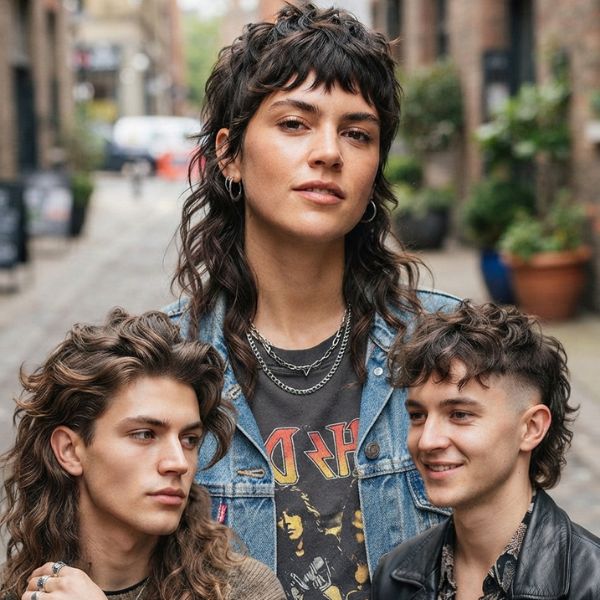
Every version shares the same idea: contrast between short sides and longer flow. What changes is how sharp, how bold, and how much upkeep you want. Here are the four cuts that work best on waves.
Textured Wavy Mullet
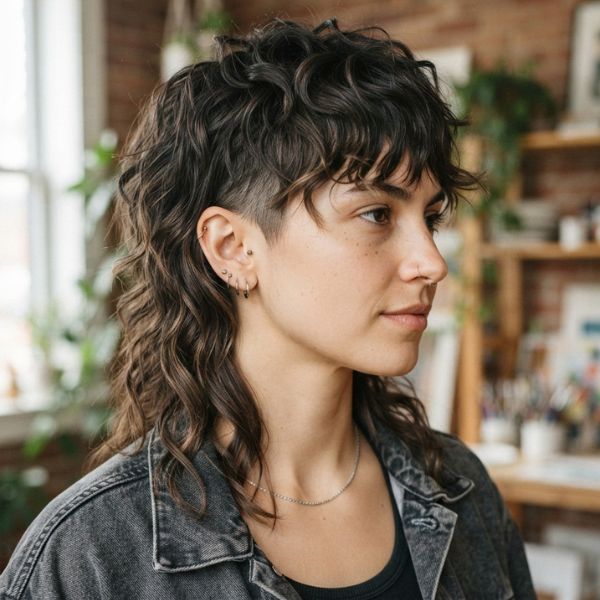
This is the most relaxed option. The barber uses point cutting or razor texturizing on the top and back, so the waves separate into loose, piecey sections instead of one heavy block.
- Best for: Medium to thick waves and anyone who wants a lived-in look.
- Ask for: Choppy layers through the crown and sides that stay short but not buzzed.
- Style tip: Spray sea salt mist on damp hair and let it dry naturally.
Wavy Mullet with Fade
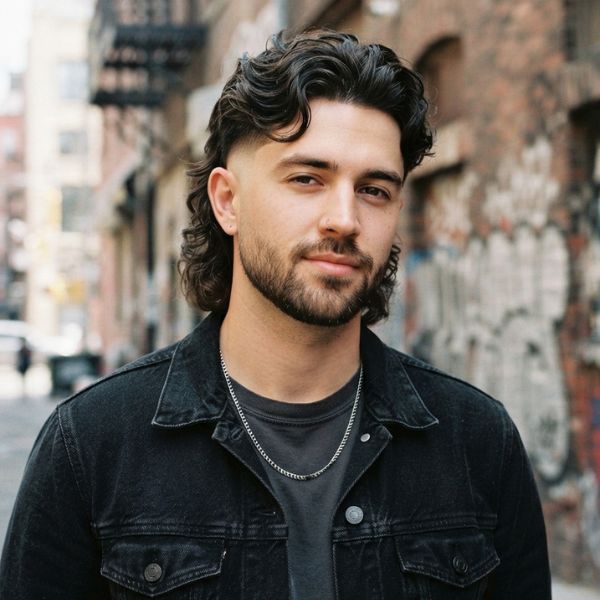
A fade gives the cleanest contrast. The sides blend down to the skin or a very short length, so your waves become the focus. It looks sharp at work and at the weekend.
- Best for: Men who like crisp edges and a polished finish.
- Ask for: A low, mid, or high fade. A low fade is subtler and more office friendly.
- Style tip: Use a small amount of matte clay on the ends to add definition without shine.
Undercut Wavy Mullet
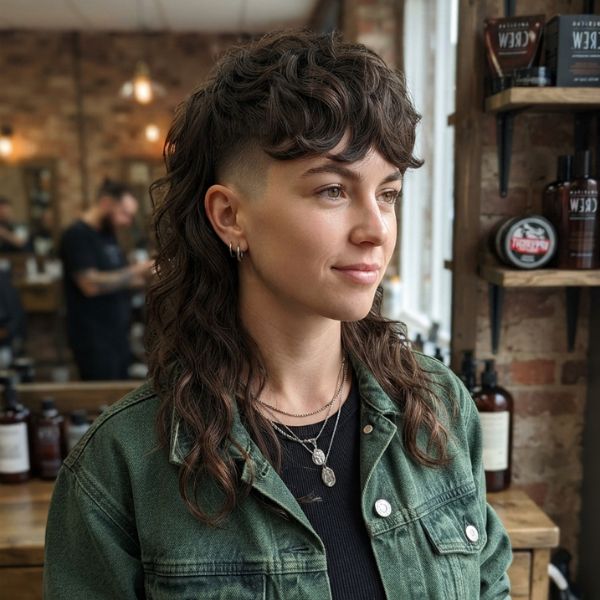
The undercut removes the bulk from the sides, and sometimes the lower back, while the top stays long. It is the boldest choice, and it works well when your waves are thick and heavy.
- Best for: Thick, dense hair that needs weight removed.
- Ask for: A disconnected undercut, meaning a visible line between short and long sections.
- Style tip: Let the top fall naturally or push it back with your fingers for a rugged look.
Read more: 12 Middle Part Mullet Variations for 2026: Modern Center Part Mullet Styles
Layered Wavy Mullet
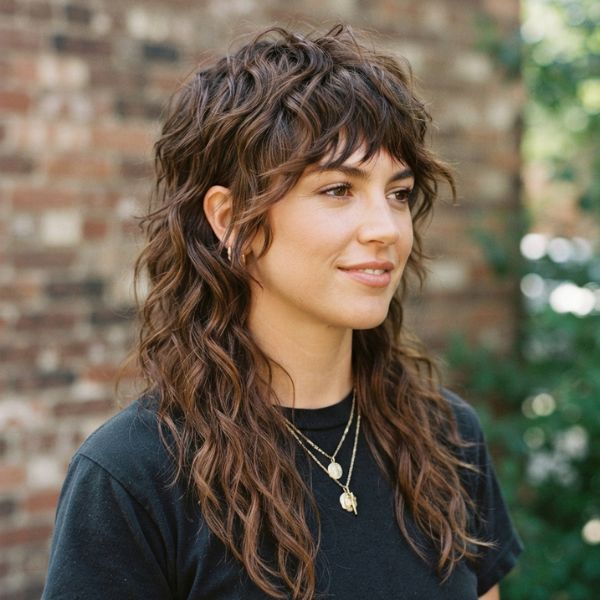
This is the softest style. Long, blended layers move from the crown down to the nape, so the shape flows instead of splitting into two blocks. It grows out gracefully, which makes it a good first mullet.
- Best for: Medium waves and men growing out a longer cut.
- Ask for: Long layers at the back with a gentle taper on the sides.
- Style tip: Scrunch curl cream into damp hair to keep waves bouncy.
Who Suits the Wavy Mullet?
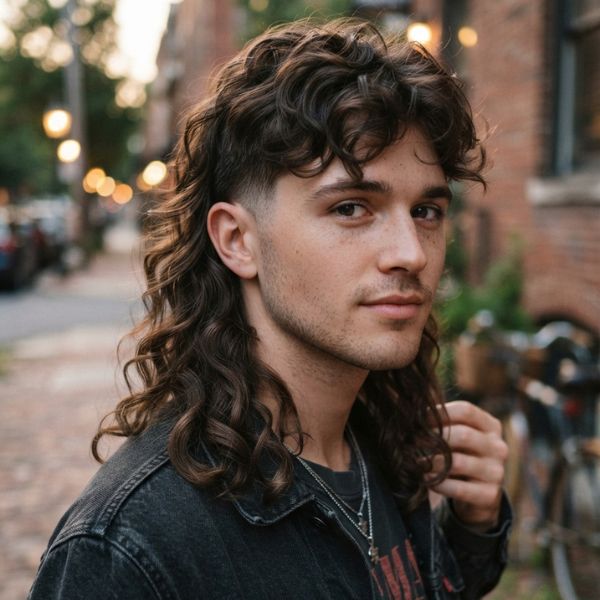
Most men with wavy hair can pull this off. The cut is adjustable, so a good barber can tune the length, fade, and layers to your hair density and face shape.
Straight hair can work too, but it needs more product to fake the texture. Tight curls suit a shorter back so the shape does not spread out sideways. Waves sit in the middle, which is why they are the ideal base.
Best Matches
- Oval faces: Nearly any version works, so try the bolder undercut or fade.
- Round faces: Add height on top and keep the sides tight to create length.
- Square faces: Choose soft layers to balance a strong jawline.
- Long or oblong faces: Keep the top shorter and let the sides hold more width.
- Thick waves: Go for texturizing or an undercut to remove bulk.
- Fine waves: Keep the back shorter so it does not look thin, and add volume with mousse.
- Cowlicks: Talk to your barber first, because a crown swirl changes how the top falls.
How to Ask Your Barber for a Modern Mullet with Wavy Hair

Clear communication is what separates a great mullet from a regretful one. “Give me a mullet” leaves too much to guess. A better request names the sides, the top, and the back separately.
Sample request: “I want a modern mullet with wavy hair. Tapered sides with a low fade, textured layers on top, and about four inches at the back. Please leave enough length so my waves can curl.”
Notice the specifics: fade height, layer type, and a length in inches.
Read more: Best French Crop Taper Fade Haircut: Styles, Tips & Barber Guide (2026)
Barber Tips
- Bring two or three photos. Choose pictures of hair with a texture similar to yours.
- Name the fade. Say taper, low fade, skin fade, or undercut.
- Give a back length. Waves shrink as they dry, so a back that looks three inches when wet may sit closer to two.
- Mention your density. Thick hair needs thinning. Fine hair needs weight left in.
- Describe your morning routine. If you have five minutes, say so, and ask for a cut that air dries well.
- Ask for a dry check. Have your barber look at the shape once your hair is dry, since that is when waves reveal themselves.
- Request a neckline plan. A softly tapered nape looks more modern than a hard square edge.
Styling Tips and Products for Modern Mullet with Wavy
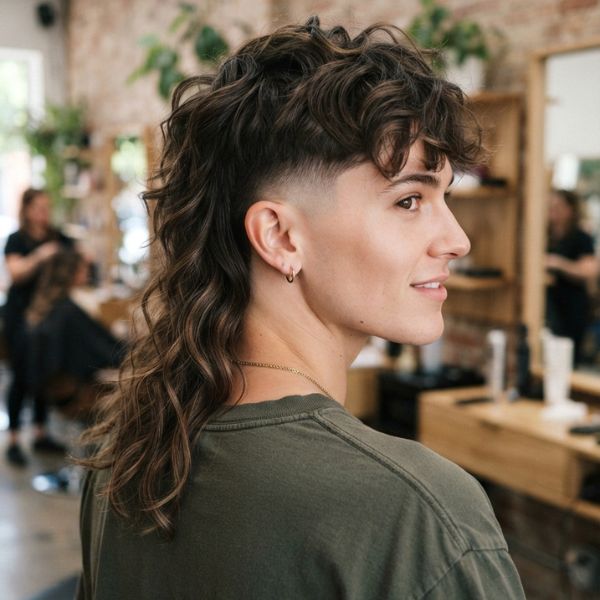
Good news: you do not need a ten-step routine. The goal is to enhance your waves, not fight them. This five-minute method works for most hair types.
- Start with damp hair. Towel dry gently until it stops dripping. Do not rub, which causes frizz.
- Apply a leave-in or curl cream. Use a pea-sized amount through the mid-lengths and ends.
- Add texture. Mist sea salt spray or work in a light mousse.
- Dry smart. Scrunch and air dry, or use a diffuser on low heat. Keep the dryer moving to avoid frizz.
- Finish light. Rub a little matte clay between your palms and shape the ends. Stop when it feels natural.
Pro tip: If your hair looks greasy or flat by midday, you used too much product. Start small and build.
Recommended Products
- Sea salt spray: Adds grip and a beachy, tousled finish.
- Lightweight curl or wave cream: Defines waves and reduces frizz.
- Light mousse: Adds volume without stiffness, which is helpful for fine hair.
- Matte clay or texture paste: Defines the ends with no shine.
- Texturizing powder: Lifts the roots for extra body on top.
- Diffuser attachment: Dries hair while keeping the wave pattern intact.
- Heat protectant: Essential if you use any heat at all.
- Satin or silk pillowcase: Reduces friction overnight so waves stay smooth.
Avoid heavy waxes, thick gels, and oil-rich pomades. They weigh down waves and can make the back look stringy. Also use a clarifying shampoo about once a week if you use product daily, to prevent buildup.
Celebrity Inspiration and Pop Culture Influence
The mullet returned to the mainstream through actors and musicians who made it feel intentional. Red carpets, streaming series, and social media all pushed it forward. The 2026 Golden Globes, in particular, put a whole group of mullets in front of cameras.
Notice how varied the looks are. Some stars wear a tiny “mini” mullet that barely shows in front. Others let the back run long. That range is the reason it works for so many hair types.
Celebrity Examples
- Jacob Elordi: His cut pairs tapered sideburns with a short, jagged layer around the ears, and a grown-out fringe and back. His natural waves add volume that suits the shape. sharpmagazine
- Paul Mescal: He wears close-cropped sides with a textured top and back, left just long enough for curls to form. It is a subtle, office-friendly version. sharpmagazine
- Connor Storrie: He wore a wavy mullet at the 2026 Golden Globes, and his groomer described it as a softer, less aggressive Euro mullet. wwd
- Glen Powell: He showed a side-parted mullet on the same red carpet, with a neat front and a wilder back. aol
Use these as reference photos, but remember that your hair density and growth pattern matter more than the celebrity’s name.
Read more: Ice Cream Haircut: Complete Guide, Best Variations & Styling Tips (2026)
Maintenance and Trimming Schedule
| Task | How often |
| Side and fade tidy-up | Every 3 to 4 weeks |
| Full shape trim and layer check | Every 6 to 8 weeks |
| Neckline and ear clean-up | Every 2 to 3 weeks |
| Wash and condition | 2 to 3 times per week |
| Clarifying shampoo | Once a week if using product daily |
Maintenance Tips
- Do not over-wash. Natural oils keep waves from drying out and frizzing.
- Deep condition weekly. Focus on the ends, where waves get dry first.
- Use a wide-tooth comb or your fingers. A brush breaks up the wave pattern.
- Trim split ends, not length. Ask for a dusting so you keep the tail.
- Book fade appointments ahead. A crisp fade looks messy after about three weeks.
- Do a quarterly check-in. Decide with your barber whether to keep growing or reshape.
Frequently Asked Questions
How often should I trim a modern mullet with wavy hair?
Tidy the sides every 3 to 4 weeks and trim the full shape every 6 to 8 weeks.
Is a wavy mullet high maintenance?
No. Most versions need light product and a few minutes to style, though fade versions need more frequent barber visits.
What products work best for a wavy mullet?
Sea salt spray, light mousse, curl cream, and matte clay define waves without weighing them down.
How long does hair need to be for a mullet?
Aim for at least three to four inches at the back, plus enough length on top to layer.
Can fine or thin wavy hair pull off a mullet?
Yes. Keep the back shorter and use mousse or texture powder for volume.
Is the mullet professional enough for work?
A subtle low fade or mini mullet with a neat front looks polished in most offices.
Conclusion
A modern mullet with wavy hair gives you a bold shape with almost no effort. Pick the style that fits your hair density and face shape, whether that is textured, faded, undercut, or layered. Bring photos and clear measurements to your barber, and keep your routine light.
Tidy the sides regularly, let the back do its thing, and use products that support your waves. Do that, and this cut will look intentional every day.
